A good life cannot honestly be reduced to a single score
Money, safety, freedom, love, truth, mastery, and justice matter in different ways. Sometimes they support one another; sometimes they demand a genuine choice. A table can reveal consequences, but it cannot turn different goods into one currency or remove responsibility for what is lost.
A sound choice distinguishes efficiency, right, and value: it calculates what can be compared, protects what cannot be used merely as a means, and openly names the good that had to be sacrificed.
One score makes a decision convenient but quietly declares everything else a means. Profit then determines health, status determines dignity, productivity determines a person's worth, and what can be measured crowds out what matters.
First, distinguish
Two concepts that are easy to mistake for one another
A means is something valued mainly because it helps achieve another end. An intrinsic good is an activity, relationship, or quality valued also in itself and through the manner of participating in it. Money can support friendship, but friendship ceases to be friendship if its entire meaning is reduced to access to money. A means can be replaced by an equivalent; an intrinsic good is changed by the very manner in which it is obtained.
Calculation compares consequences using measures selected in advance. Judgment is the reasoned choice of which measures are appropriate, which rights set limits, and which loss cannot be hidden inside the total. Calculation can show the cost of closing a rural hospital. Judgment decides whether savings justify depriving a remote region of emergency care and what obligations remain toward its residents.
The possible, the useful, and the worthy are three independent tests
Knowledge of a mechanism answers what can be done; strategy answers how to obtain a desired effect; ethics asks which end and price may be accepted. No one answer automatically contains the other two.
Why this happens
A fact describes a causal connection, but the goal is introduced by human value. An effective means may at the same time violate a right, transfer risk to the vulnerable, or destroy a condition of common trust.
An algorithm increases an insurer's profit by excluding expensive patients. This proves technical possibility and commercial effect, but not a right to deny care, and it does not answer what medicine ought to be.
Do not confuse this with
Do not confuse a moral boundary with denial of consequences. “This is my value” does not cancel evidence of harm. A worthy end still requires scrutiny of its means and effects.
Where the idea stops working
In an emergency, the three tests cannot continue forever. Even a rapid decision, however, should name the forbidden cost and who will bear the risk.
Question for the situationWhat is possible here, what serves my goal, and what remains unacceptable even if it improves the chance of success?
Incommensurable goods do not remove choice; they remove the magic formula
Some real goods conflict without a common number capable of calculating the right life honestly. A choice must name both its priority and the irreplaceable loss.
Why this happens
A common metric compares only what has first been translated into its units. Love, freedom, safety, and justice may rest on different grounds and thresholds; conversion into money or a rating makes some differences invisible.
A family chooses between a higher salary abroad and daily presence beside an ill parent. A budget reveals the consequences, but cannot calculate which obligation matters more for this family.
Do not confuse this with
Do not confuse incommensurability with a complete inability to reason. We can eliminate plainly worse options, set thresholds, ask those affected, and test reversibility. The result simply will not become a theorem.
Where the idea stops working
Do not call something “priceless” merely because it is inconvenient to measure, or use the complexity of values to conceal privilege.
Question for the situationWhich good does not fit the chosen score, what minimum must not be violated, and which loss am I obliged to name honestly?
The way a goal is achieved becomes part of the result
Repeated means shape skills, character, relationships, and rules that remain after victory. A goal achieved by destroying its own conditions has been replaced by another goal.
Why this happens
Action teaches the actor and everyone around them “how things are done here.” An institution embeds a successful method in hiring, rewards, and norms. Lies used to win trust leave behind a team trained in lying; humiliation used to create order leaves an order dependent on humiliation.
A politician wins a campaign through systematic lies and later passes a beneficial law. The law is real, but so are the damaged trust, the team's habit of hiding facts, and permission to use the same method against others.
Do not confuse this with
Do not confuse using another person's service with treating that person merely as a means. The moral boundary is crossed when their own purpose, consent, and right of refusal carry no weight.
Where the idea stops working
Pure intent does not excuse a foreseeably grave outcome. Scrutiny of means must stand beside scrutiny of consequences, not replace it.
Question for the situationWhat kind of people, relationships, and rules will we become if this way of achieving the goal becomes normal?
Synthesis without reconciliation at any price
Practical wisdom begins where calculation can no longer decide for us
Hume prevents us from deriving an end from a description of the world alone. Kant limits the treatment of a person merely as a means. Berlin reveals genuine conflicts among values, while Aristotle calls the capacity to judge the particular case practical wisdom. Together they offer no ready algorithm. They offer a more honest order: establish the facts, see the consequences, name the rights and goods, exclude the unacceptable, choose a priority, and do not report the remaining loss as zero.
A tension worth preservingA common score makes a collective decision more transparent but erases irreducible differences. Exceptions preserve particular justice, but without explanation they easily become a privilege of the powerful.
Long view
An essay that carries this idea through a complete argument
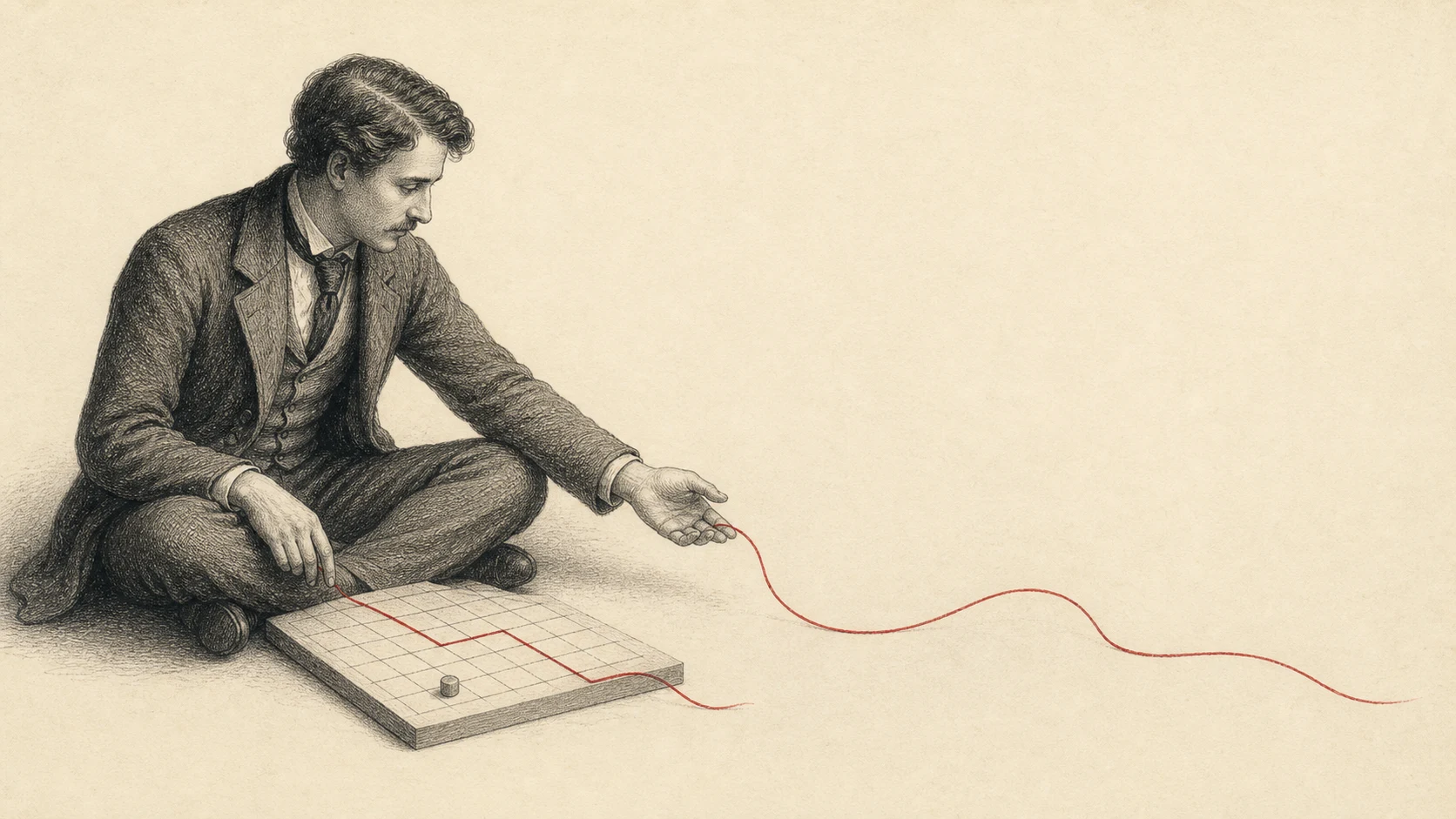
The language of games is useful when it reveals mutual expectations, hidden options, and responsive actions. It becomes dangerous when it quietly turns every relationship into a calculation, every person into a player, and love, care, coercion, grief, and mortality into matches that could supposedly be played correctly.
Strategy Is the Art of Organized Refusal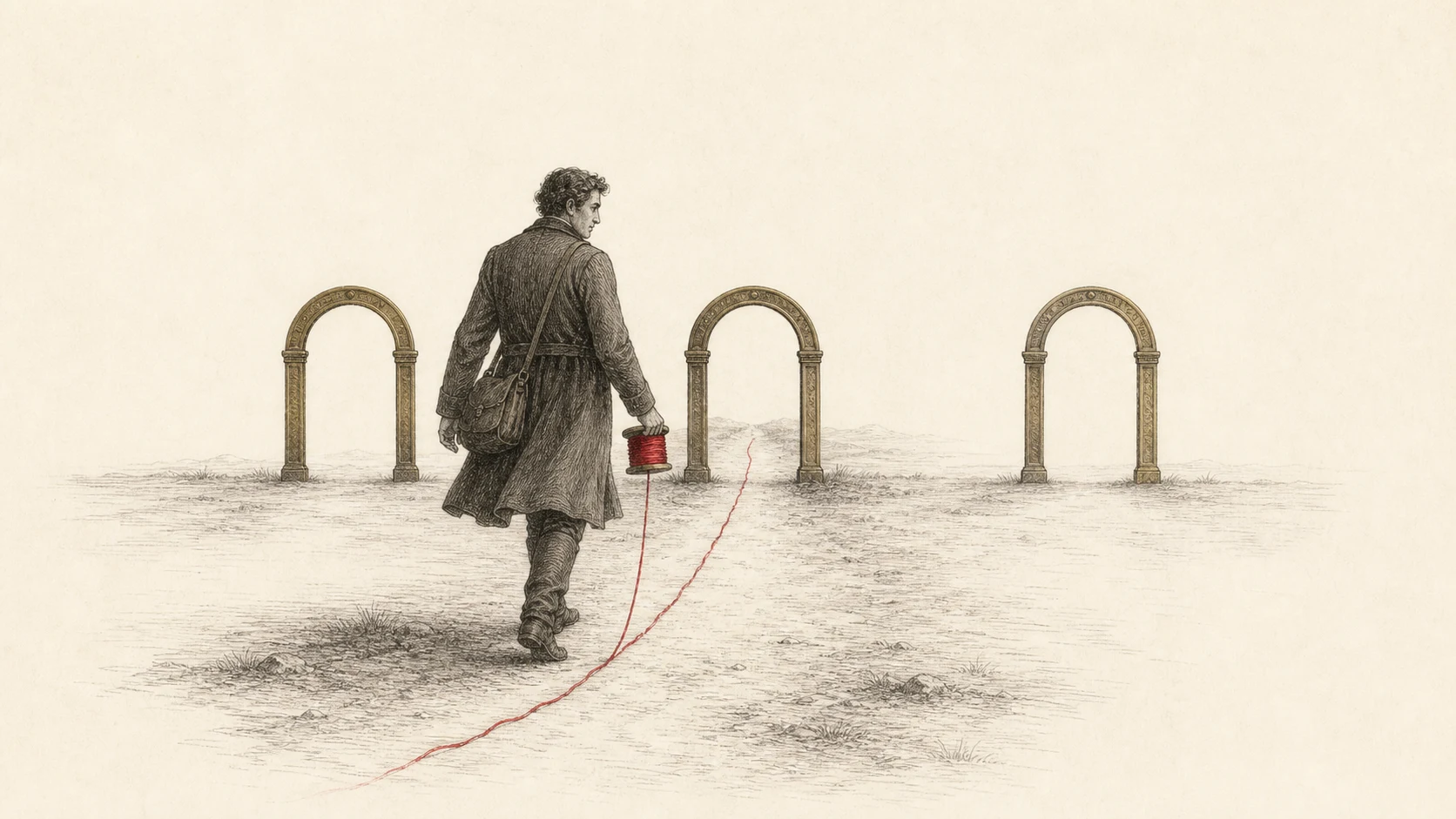
Strategy begins where not every good thing can be done at once. It turns a diagnosis of the central difficulty into a coherent set of actions and makes the price of choice visible: which possibilities will be postponed, which obligations will remain, and which boundary must not be crossed even for the desired result.
There is no last arena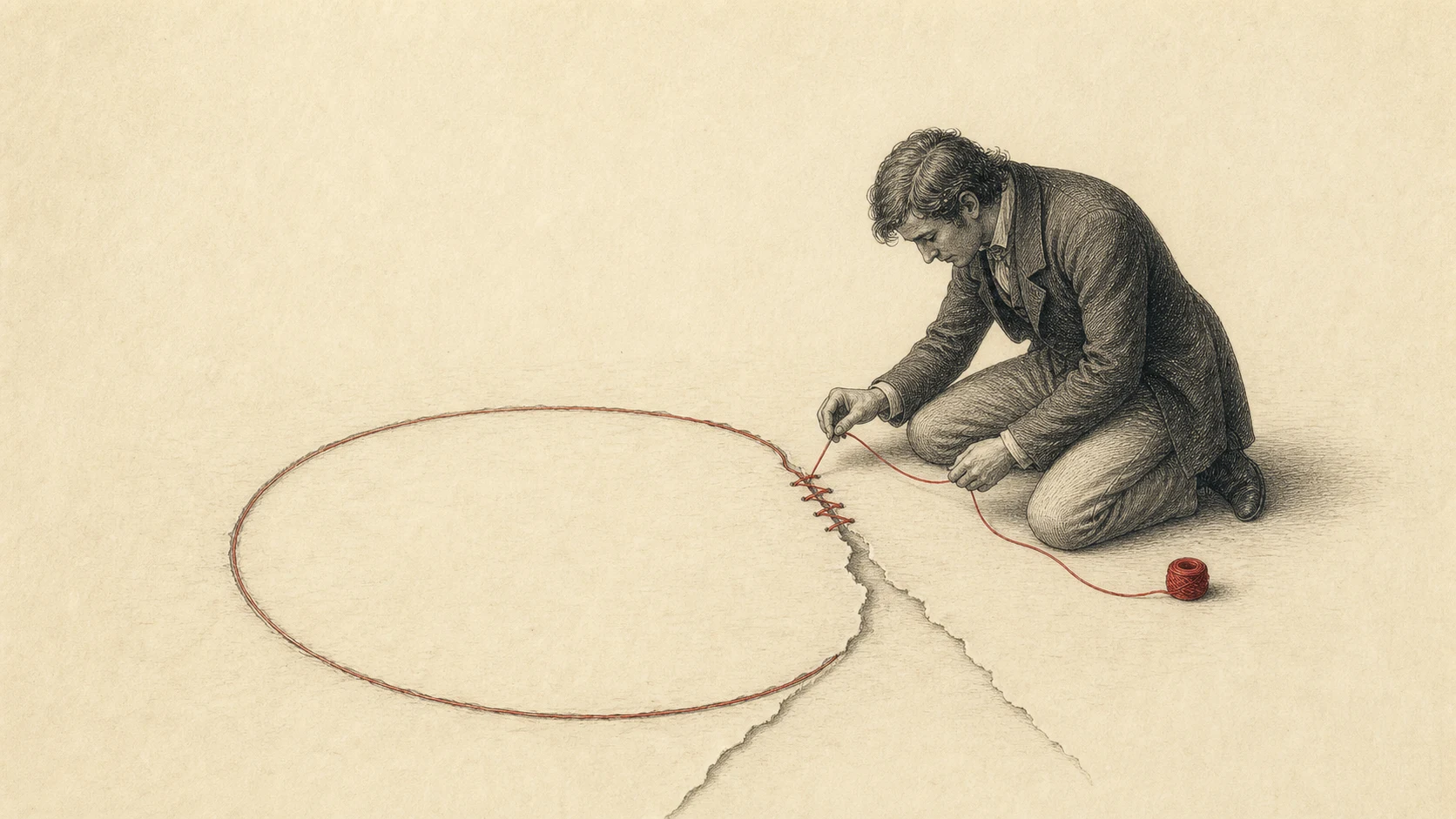
Calling death the last arena seems to restore order: there is a trial, a stake, a worthy response, and a final score. But the metaphor quietly turns dying into a competition, survival into merit, and fear and dependence into defeat. Finitude needs another language: action without the promise of victory, help without takeover, and dignity without an examination.
Continue the thought
Works that test the thesis rather than repeat it
Freedom is not merely a formal right, but a real capability to be and do what a person has reason to value.
Nicomachean EthicsAristotlePractical wisdom offers no single formula for the good; it teaches us to judge the particular case well and to form character through action.
A SeparationAsghar FarhadiIrreducible duties, unequal possibilities, and incomplete knowledge can make every participant both understandable and responsible.
The shoulders this chapter stands on
A source is not a seal of truth. Each entry says what it clarifies and where its lens needs to be limited.
David Hume
A Treatise of Human Nature
What it clarifies
Facts do not appoint goals by themselves: reasoning helps us choose means, but desire, feeling, and value provide direction.
What it does not prove
The role of feeling does not imply that every desire is reasonable, innocent, or equally worthy.
Immanuel Kant
Groundwork of the Metaphysics of Morals
What it clarifies
Another person must not be merely a means to our project: their capacity to choose places a limit on effective action.
What it does not prove
An abstract rule does not always resolve conflicting duties or show how to act within unequal relations of power.
Max Weber
Politics as a Vocation
What it clarifies
A responsible actor considers not only the purity of conviction, but also the foreseeable consequences of using force.
What it does not prove
Appeals to consequences easily become excuses for an absence of principle when no limits are stated in advance.
Isaiah Berlin
Two Concepts of Liberty; value pluralism
What it clarifies
Genuine values are plural and may conflict without a single common currency; a mature choice sometimes leaves an irreparable loss.
What it does not prove
Pluralism does not mean that all values are equally good or that reasonable comparison is always impossible.
Aristotle
Nicomachean Ethics
What it clarifies
A good life consists not in a single result, but in activity, character, and practical wisdom applied to particular situations.
What it does not prove
The ancient conception of the citizen excluded many people; it cannot be carried into the present without criticism.
Amartya Sen
Development as Freedom and the capability approach
What it clarifies
Freedom is not only a formal right or a resource, but the real opportunity to be and do what a person has reason to value.
What it does not prove
The approach deliberately provides no single list of goods; evaluating capabilities in practice remains contested and contextual.
Alasdair MacIntyre
After Virtue
What it clarifies
A practice has internal goods of excellence and shared standards, but the institution that sustains it inevitably needs external goods such as money, status, and power.
What it does not prove
An appeal to tradition can conceal exclusion, hierarchy, and the authority of some people to define what counts as virtue.
Iris Murdoch
The Sovereignty of Good
What it clarifies
An action begins before the moment of choice—in the quality of attention, language, and imagery through which we are able to see another person at all.
What it does not prove
The inner work of attention cannot replace institutional change or the material redistribution of power.