Part VI
The Limit
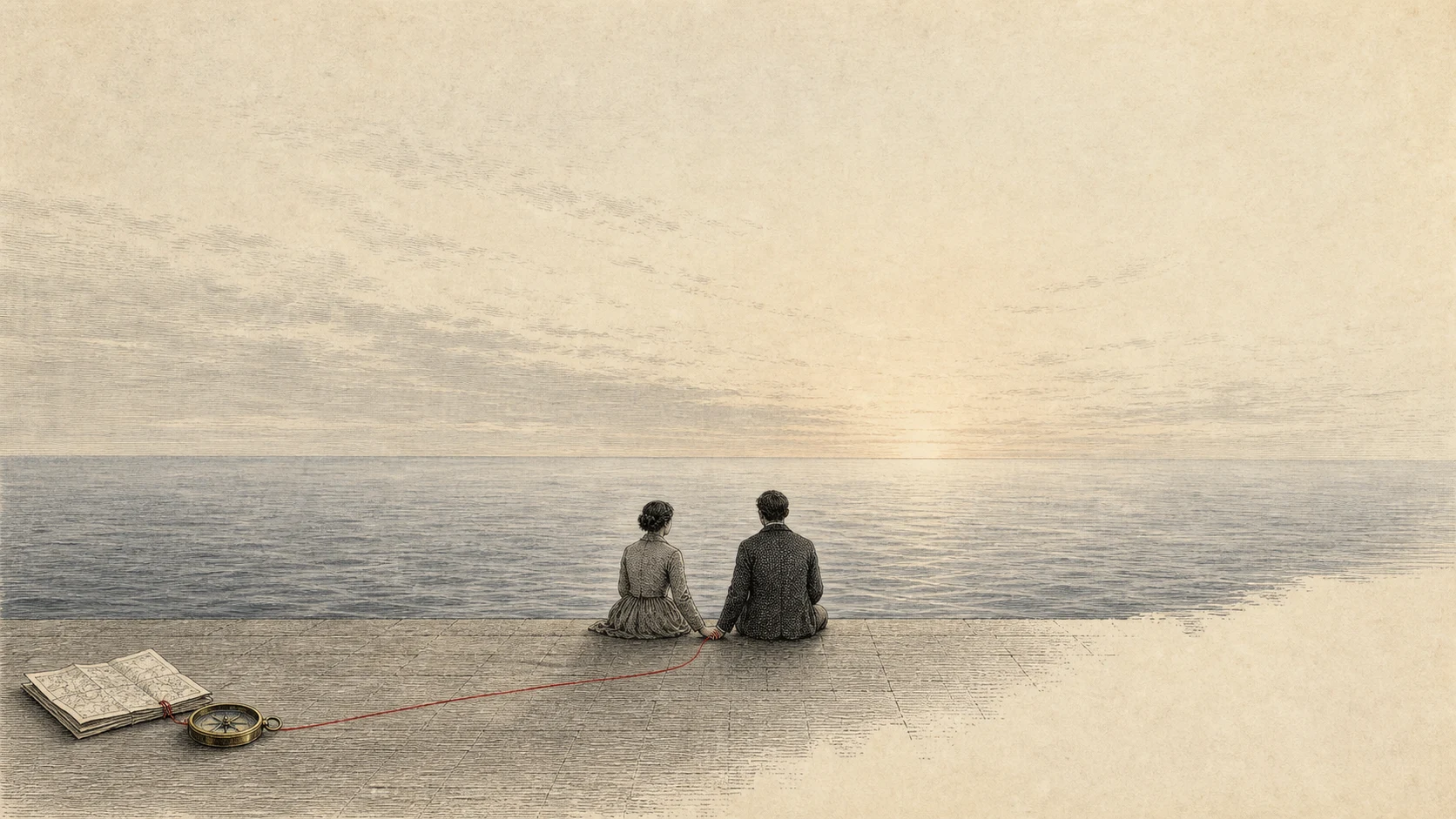
Speak about narrowing possibilities, suffering, dignity, and finitude without glorifying them or turning life into one final game.
Guiding questionWhat remains a worthy action when control and time are genuinely limited?
A focused route through the map
Chapters in this part
How choice changes when the body, threat, and loss narrow the capacity to act
Acute danger, illness, exhaustion, grief, captivity, and prolonged crisis are not one situation and do not share a single set of instructions. They have only this in common: the actions available to a person can change sharply with the body, safety, information, support, and time. This chapter is a philosophical map of distinctions, not medical or crisis guidance.
3 key ideasRead the chapterDeath is not defeat: what finitude changes—and what it does not decide for us
The language of games is useful where there are reciprocal moves, changeable rules, and a score. It breaks down when death is called the final opponent, care a means of victory, and human worth a result. Finitude does not cancel action, but it shows that not every important action serves a win.
3 key ideasRead the chapterLong-form arguments
Essays that cross this territory
The language of games is useful when it reveals mutual expectations, hidden options, and responsive actions. It becomes dangerous when it quietly turns every relationship into a calculation, every person into a player, and love, care, coercion, grief, and mortality into matches that could supposedly be played correctly.
Read the essay 06There is no last arenaCalling death the last arena seems to restore order: there is a trial, a stake, a worthy response, and a final score. But the metaphor quietly turns dying into a competition, survival into merit, and fear and dependence into defeat. Finitude needs another language: action without the promise of victory, help without takeover, and dignity without an examination.
Read the essay