Part V
Being Changed by Action
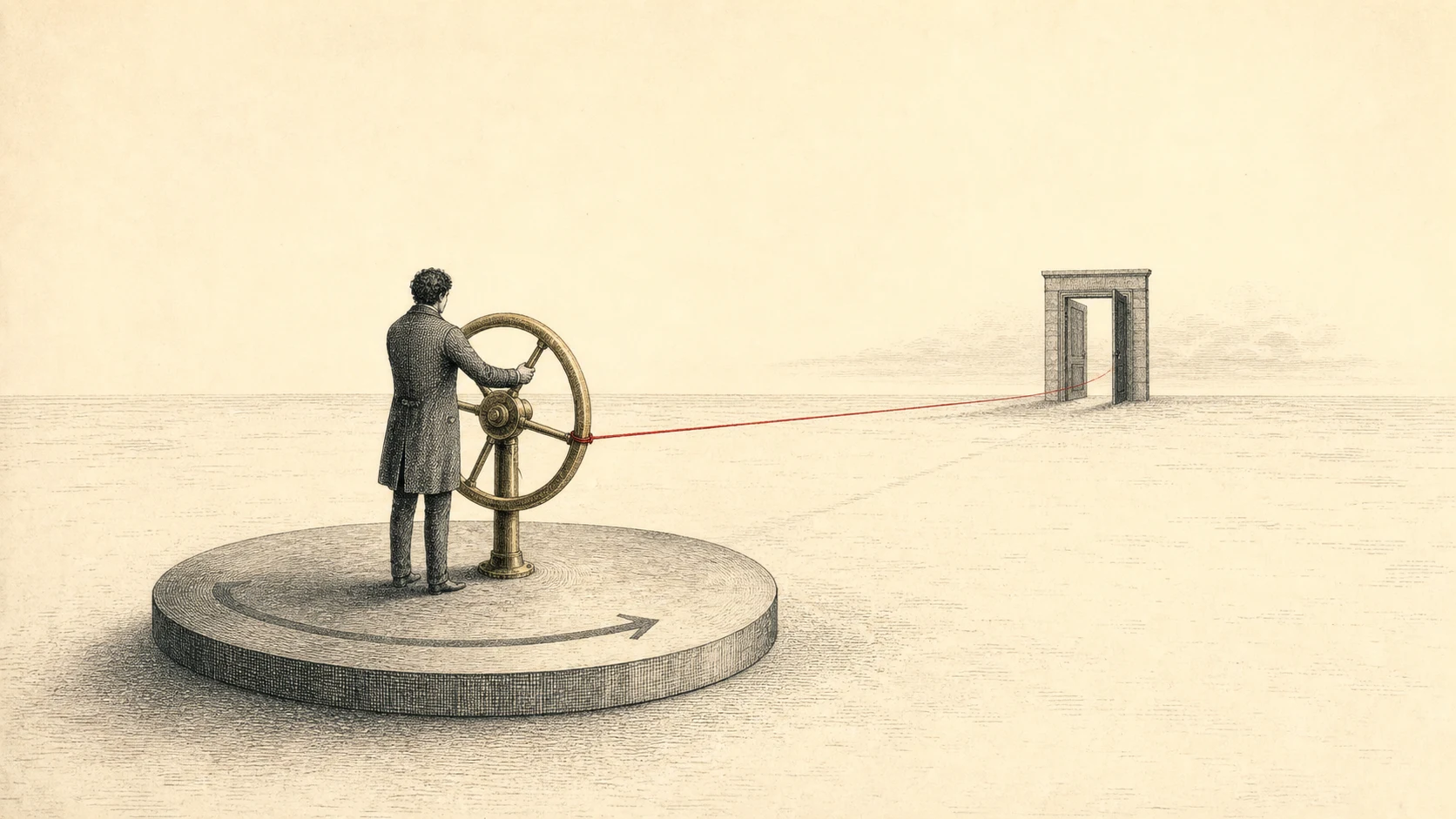
See that victory changes incentives, power changes perception, and every consequential action creates a new trajectory.
Guiding questionWho will I become, and what kind of system will I inhabit, if this plan succeeds?
A focused route through the map
Chapters in this part
Why the outcome does not end the story: what victory and defeat change next
Victory ends an episode but immediately creates new expectations, dependencies, and responses. Defeat removes some possibilities, but does not always determine the next trajectory. The meaning of an outcome lies not only in the score, but in the world that score sets in motion.
3 key ideasRead the chapterWhy power receives an edited reality—and how to restore its feedback
Power expands the capacity to act, but it also changes the flow of information to the person who holds it. People object more cautiously, intermediaries smooth away risk, and the experience of those affected becomes an average number. A powerful person can therefore possess more data and see the cost of their own decision less clearly.
3 key ideasRead the chapterLong-form arguments
Essays that cross this territory
Why a dispute about power begins before a command or a vote—with the authority to name the problem, build the category, and decide whose bad news will be heard.
Read the essay 04Strategy Is the Art of Organized RefusalStrategy begins where not every good thing can be done at once. It turns a diagnosis of the central difficulty into a coherent set of actions and makes the price of choice visible: which possibilities will be postponed, which obligations will remain, and which boundary must not be crossed even for the desired result.
Read the essay 05Victory changes the winnerSuccess does more than give a person greater possibilities. It changes the people around them, the information that reaches them, and the explanation they construct about themselves. The central danger of victory therefore begins not when the result is lost, but when the result is taken as final proof that the winner was right.
Read the essay